

Female Hair Loss: Causes, Symptoms & Treatment Solutions Skip to content
Complimentary shipping on AU orders over $79 Complimentary shipping on AU orders over $79
Shop now, pay later Shop now, pay later
Complimentary shipping on EU orders over €79 Complimentary shipping on EU orders over €79
Australian Made, professional-grade hair & scalp nutrition Australian made & professional-grade
Complimentary Hair Atelier sample with all orders Complimentary Hair Atelier sample with all orders
  • SHOP
    SHOP
    • SHOP ALL
      SHOP ALL
      • Shop By Collection
    • SHOP BY PRODUCT
      SHOP BY PRODUCT
      • Mane Event Elixir®
      • Mane Event®
      • Crowning Glory®
      • Hair Atelier®
      • Value Bundles
      • Accessories
      • Professional Packages
      • Gift Card
    • SHOP BY CONCERN
      SHOP BY CONCERN
      • Hair Growth
      • Hair Loss & Thinning
      • Damage
      • Dryness
      • Oiliness
      • Scalp Health
  • RESULTS
  • DISCOVER
    DISCOVER
    • About Us
    • Hair Hub
    • FAQs
    • Find A Stockist
    • Wholesale
  • MY HAIR ANALYSIS
Log in
  • Facebook
  • Pinterest
  • Instagram
  • TikTok
  • LinkedIn
  • YouTube
Apotecari logoApotecari logo
  • SHOP
    All Products
    SHOP ALL
    • Shop By Collection
    All Products
    SHOP BY PRODUCT
    • Mane Event Elixir®
    • Mane Event®
    • Crowning Glory®
    • Hair Atelier®
    • Value Bundles
    • Accessories
    • Professional Packages
    • Gift Card
    SHOP BY CONCERN
    • Hair Growth
    • Hair Loss & Thinning
    • Damage
    • Dryness
    • Oiliness
    • Scalp Health
    Apotecari most loved
    MOST LOVED
    Apotecari bundles, Mane Event, Crowning Glory, 5-in-1 Scalp Brush, Capsules, for healthy scalp, thicker hair
    BEST VALUE BUNDLES
  • RESULTS
  • DISCOVER
    • About Us
    • Hair Hub
    • FAQs
    • Find A Stockist
    • Wholesale
  • MY HAIR ANALYSIS
Log in
Cart
Access Denied
IMPORTANT! If you’re a store owner, please make sure you have Customer accounts enabled in your Store Admin, as you have customer based locks set up with EasyLockdown app. Enable Customer Accounts

women's hair loss explained

Let's Grow.

Reduce hair loss, optimise your natural growth cycle, and fortify your hair’s density. Powered by your daily Apotecari ritual.

JUMP TO

MADE FOR GROWTH

Female Hair Loss: Causes, Symptoms & Treatment Solutions

Whether the signs have been building for a while or you have only just noticed them, the first realisation of hair loss can stir a range of emotions from shock through to frustration. You may be noticing more hair in your brush and the shower drain, a ponytail that has lost its fullness, or more scalp showing than you are used to. These experiences can be worrying, and working out why it is happening and where to turn to for answers can be challenging.

If this is you, you are far from the only one. Around 50% of women will experience hair loss at some point in their lives. It surfaces after having a baby, through perimenopause and menopause, or across the long, busy, stressful stretches that rarely seem to let up. The causes are still being researched, but they can involve genetic, hormonal, dietary, medication, and lifestyle factors. 

Apotecari focuses on bioavailable nutrition that supports healthier, stronger hair. Our products are not pharmaceutical treatments and any concerns about medical conditions need assessment by a qualified health practitioner.

Looking for men's hair loss?

This page covers the female experience. For symptoms, causes, and treatment for men, visit our dedicated men's page.

Men's Hair Loss

Causes of hair loss in women.

  • THE HORMONE INFLUENCE

    THE HORMONE INFLUENCE

  • THE GENETIC INFLUENCE

    THE GENETIC INFLUENCE

  • THE LIFESTYLE INFLUENCE

    THE LIFESTYLE INFLUENCE

  • THE NUTRITIONAL INFLUENCE

    THE NUTRITIONAL INFLUENCE

  • THE SCALP INFLUENCE

    THE SCALP INFLUENCE

  • THE MEDICAL INFLUENCE

    THE MEDICAL INFLUENCE

Symptoms.

Hair loss can show up differently for women. Some of the early signs include:

  • Excess hair fall in the shower or on your pillow
  • Scalp becoming more visible under light
  • Loss of volume and thickness
  • Decreased hair density, referring to a noticeable reduction in the number of strands per square centimetre of scalp.
  • Changes in hair texture or growth rate

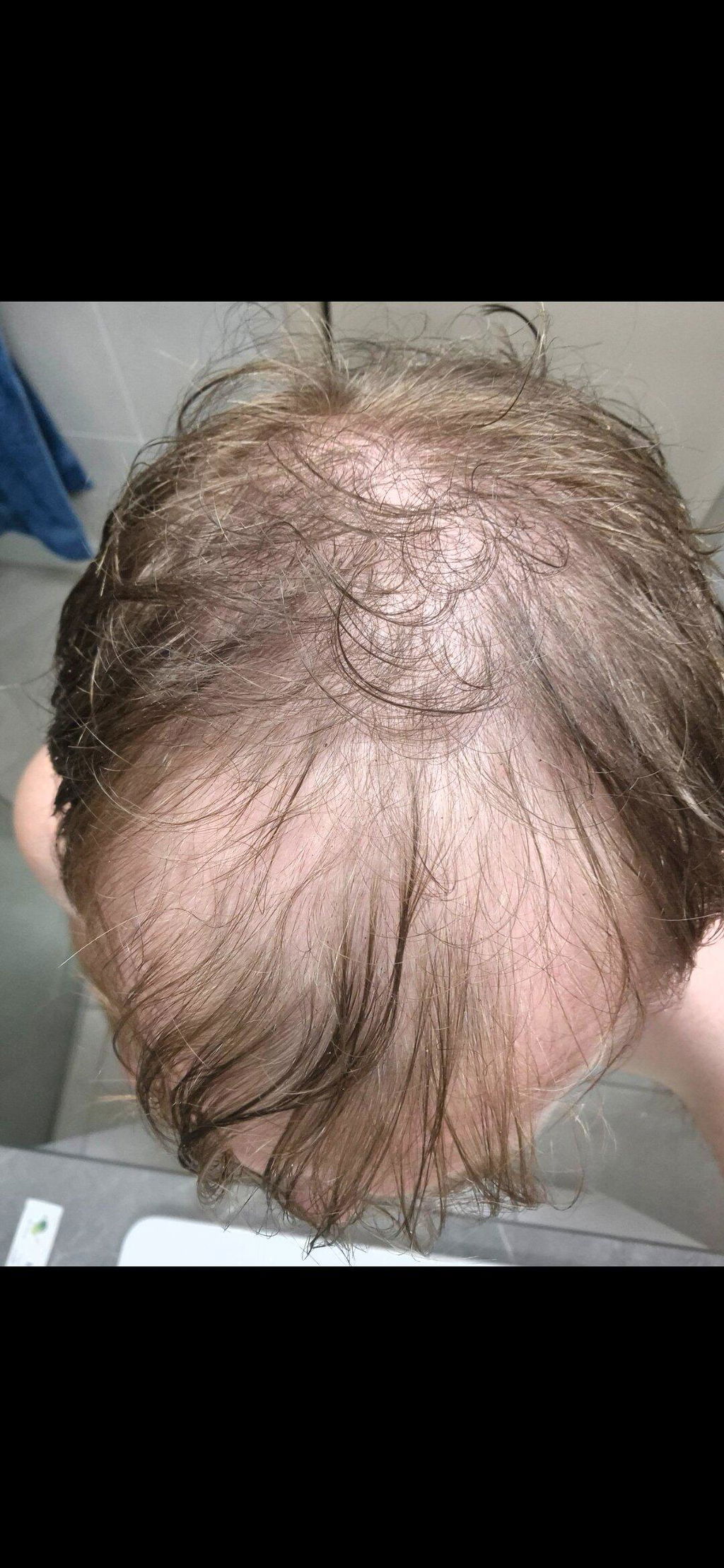
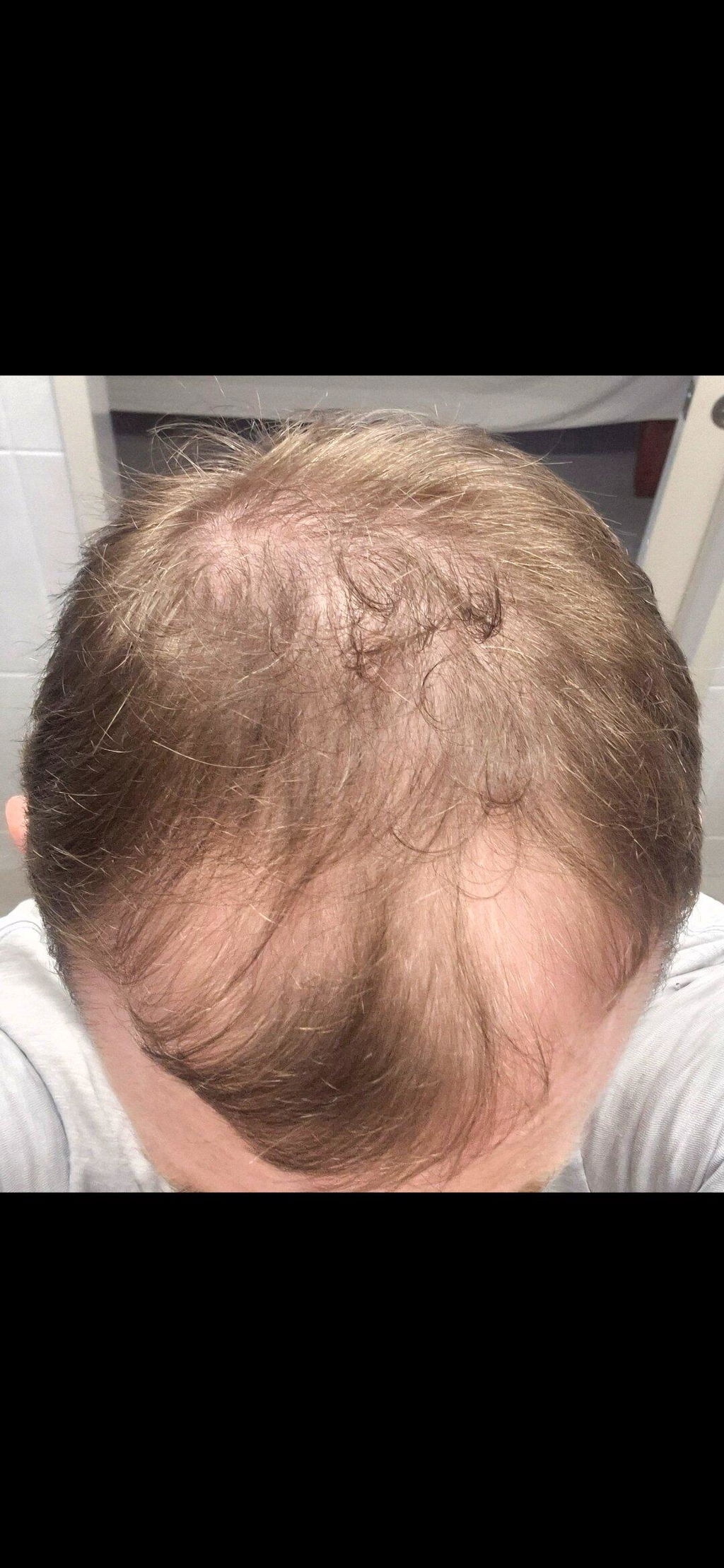
For some, you may notice thinning at the temples; for others, you may be seeing a widening of your part line. At other times, you may be noticing hair loss when washing or styling your hair - more on the brush or bathroom floor than you’re used to. For some, hair loss in distinct patches can be seen, and for others, diffuse hair loss and a reduction in density across the entire head become obvious over time.

The pattern of hair loss can be more telling than you might have thought.

  • Female Pattern Hair Loss: Thinning through the centre hair part in a V-shape (narrower at the crown, widest at the hairline).
  • Telogen Effluvium and Nutritional Hair Loss: Diffuse thinning across the entire scalp (i.e. thinning all over).
  • Traction Alopecia: Hair loss typically starting at the hairline and temples.
  • Alopecia Areata: Distinct, smooth, round bald patches on scalp.
WHAT THEY NOTICED & LOVED

Hear from them

Causes

  • THE HORMONE INFLUENCE.

    Postpartum hair loss

    Hormonal changes during pregnancy, specifically an increase in oestrogen levels, extend the anagen (active) growth phase. A lot of women say their hair has never been thicker or fuller during pregnancy, exactly for this reason. A rapid drop in oestrogen after birth pushes a large proportion of follicles into the shedding phase simultaneously⁴. Once hormone levels stabilise, hair typically recovers, though the timeline varies.

    Female Pattern Hair Loss (FPHL)

    FPHL has historically been linked to a shift in the balance between oestrogen and androgens (such as testosterone). This shift becomes more pronounced during perimenopause and menopause, as oestrogen declines, and in conditions like Polycystic ovarian syndrome (PCOS), recently renamed Polyendocrine metabolic ovarian syndrome (PMOS), where androgen excess is a defining feature. Outside of PMOS, the androgen link is far from straightforward. A significant proportion of women with FPHL show no signs of relative androgen excess at all, and anti-androgen treatments have produced inconsistent results in clinical trials, which challenges the idea that androgens are the sole driver¹. Oestrogen appears to play a protective role, prolonging the active growth phase of the hair cycle, and its natural decline during perimenopause and menopause correlates with gradual, ongoing hair loss¹. 

    Thyroid dysfunction

    The thyroid gland produces thyroid hormones that regulate the metabolic rate of nearly every cell in the body, including those in the hair follicle. Both underactive (hypothyroid) and overactive (hyperthyroid) states can disrupt the hair growth cycle, causing loss and thinning⁵. In these cases, follicles are pushed into the shedding phase prematurely, causing diffuse thinning across the scalp. These states can be driven by autoimmune conditions such as Hashimoto's disease, the leading cause of hypothyroidism, or Graves' disease, the leading cause of hyperthyroidism⁸ ⁹. Because thyroid-related hair loss typically improves once thyroid function is diagnosed and managed, testing with your GP is the essential first step.

  • THE GENETIC INFLUENCE.

    Genetics affects your hair in two distinct ways. It can drive a hair loss pattern directly, or it can shape how strongly you respond to other triggers.

    Female pattern hair loss (FPHL)

    Genetics may influence hair loss most significantly in FPHL, although the picture is more complex and less clearly understood than in male pattern baldness. While FPHL shares some features with its male counterpart, research suggests the underlying mechanisms are not identical. The genetic predisposition to patterned hair loss is thought to act partly through the androgen receptor, which governs how the follicle responds to androgens such as DHT. The link is well established in men. In women it appears to contribute in some cases, but the evidence is weaker, and as mentioned earlier, FPHL can develop even without raised androgen levels. Current evidence suggests that multiple genes may contribute rather than a single inherited factor, and genome-wide studies specific to FPHL remain limited compared with the body of research on male pattern hair loss¹.

    Inherited susceptibility

    Shedding triggered by stress, illness, or nutritional deficiency follows a physiological pathway rather than a genetic one. However, your genetic makeup can influence how susceptible you are to those triggers. Variations in genes controlling nutrient absorption, hormone metabolism, and stress response mean that two women experiencing the same trigger may shed at very different rates. Your genes determine how sensitive you are; the trigger simply sets it off.

  • THE LIFESTYLE INFLUENCE.

    Daily habits shape your hair over time. By changing the input or removing the trigger, in most cases the follicle recovers and growth resumes. 

    Stress

    A physical or emotional shock, illness, surgery, or a major life event can push a large share of follicles from active growth into the resting phase at once. This type of hair loss is known as Telogen Effluvium (TE), and the resulting hair fall is usually observed 2 to 3 months after the event⁶. Managing nervous system regulation, sleep, recovery and cortisol load supports a return to your usual growth and shedding patterns.  

    Tension and styling 

    Tight ponytails, slick backs, extensions, braids, and weaves pull at the follicle day after day. That constant tension weakens the anchor at the root and, over time, can cause traction alopecia, a type of thinning that typically starts at the hairline and temples. Acting on traction loss early reverses loss and sees growth resume. Prolonged tension can scar the follicle, and the loss may become permanent. Loosening tension at the root and giving your hair and scalp ‘recovery days off’ can prevent or reverse this type of hair loss. 

    Heat and chemical stress

    Repeated heat styling, bleaching and chemical straightening damage the hair shaft rather than the follicle. The result feels like loss because strands snap mid-length and density drops. This is breakage, not shedding, and will recover with lower heat, heat protection, and spacing out chemical treatments. 

    Female Pattern Hair Loss (FPHL)

    While FPHL is driven by genetics and hormonal sensitivity at the follicle, lifestyle choices can influence the speed or compound the appearance of the increased shedding.

  • THE NUTRITIONAL INFLUENCE.

    Insufficient intake

    Nutritional deficiency is one of the most common triggers for hair loss, and one of the most overlooked. Micronutrients are major elements which drive the hair growth cycle, playing a role in cellular turnover in the rapidly dividing matrix cells of the follicle bulb². This constant division depends on a steady nutrient supply. When levels fall short, the body prioritises vital organs first. Hair is non-essential for survival, so the follicle sits at the back of the queue. That's why deficiency shows up as thinning and shedding, and why normal growth responds so well once the gap is addressed. 

    Keratin, the protein that forms the main structure of your hair, is built from the amino acids in dietary protein. When intake falls short, keratin production is limited, and hair grows weaker, structurally compromised and more prone to breakage. Iron, zinc, vitamin D, biotin, and B vitamins including biotin have all been implicated in hair loss when chronically low², and restrictive or rapid-weight-loss (crash) diets are often cited as a trigger. Micronutrient deficiencies in key vitamins and minerals are a modifiable risk factor for hair loss, with evidence that correcting these deficiencies can support hair follicle health and treatment outcomes². 

    Female Pattern Hair Loss (FPHL)

    Emerging research suggests that nutritional status may influence the progression of FPHL. A study by Piccini et al. found that affected and miniaturised follicles in FPHL display relative nutritional deficiency and a dormant metabolic state, though their capacity to absorb nutrients remains intact³. It indicates that while supplementation will not reverse the underlying genetic drivers of FPHL, it may support follicle function and represents a credible adjunctive approach.

  • THE SCALP INFLUENCE.

    Your scalp is the soil your hair grows from, and no follicle thrives in depleted soil. 

    A dry, tight scalp signals a compromised barrier. When the scalp loses moisture and its protective lipid layer thins, it becomes reactive, flaky and inflamed. Low-grade inflammation can disrupt your follicle’s ability to hold and grow healthy hair strands. The reverse problem of excess oil can be just as disruptive. When sebum is over-produced, it builds up around the follicle, trapping dead skin and debris and creating conditions for irritation that can weaken the hair’s anchor. 

    Your scalp also hosts a living microbiome, a community of microorganisms that, when in balance, keeps the surface stable. When that ecosystem is thrown off by harsh cleansing, product buildup, or over-washing, opportunistic yeasts and bacteria multiply. The result is itching, flaking, and irritation that can interrupt the growth cycle and increase shedding or breakage. 

  • THE MEDICAL INFLUENCE.

    As covered in the stress section, a significant illness, high fever, or major surgery can trigger Telogen Effluvium, with shedding appearing two to three months after the triggering event⁶. 

    Certain medications carry hair loss as a documented side effect; if you have concerns about a medication you're taking, your prescribing doctor is the best point of contact. GLP-1 medications, now widely used for weight management, are a recent example. While more research is needed to confirm the link between their use and hair loss⁷, if a Telogen Effluvium response is experienced due to the associated drop in nutrient intake, it is typically temporary and responds once nutritional support is restored. Prioritising nutrient-dense, protein-rich foods during weight loss can help protect against this.

    Alopecia areata

    Alopecia areata is an autoimmune condition where the immune system attacks the hair follicle, pushing it into a resting state and causing sudden, patchy loss. There's usually a genetic predisposition behind it, and stress can trigger a flare, though it won't cause the condition. See a GP or dermatologist for assessment. Apotecari supports overall hair and scalp health; it isn't a treatment for autoimmune hair loss.

NOT ALL HAIR LOSS IS THE SAME

Find the routine that fits your hair story

My Hair Analysis helps you understand what's driving your hair loss, thinning, or slow growth, then guides you to a routine built for your stage and goals.

Unlock my hair loss plan + 15% off

The role of nutrition.

Hair follicles require a consistent supply of nutrients to function optimally. Some of these include:

  • Cysteine and Methionine are the building blocks of keratin, including the super strong disulfide bonds which are responsible for the structural integrity of the hair.
  • Activated B vitamins such as B2, B6, B9 and B12 are important for metabolic regulation, cellular metabolism. They are closely involved in the regulation of the hair growth cycle.
  • Zinc plays a critical role in the production and regulation of a wide range of hormones, including adrenal, thyroid and reproductive hormones like testosterone. It maintains the structural integrity of protein (like keratin) and collagen and elastin production.
  • Vitamin D for follicle cycling.
  • Iodine and selenium for thyroid support and anti-oxidant activity.
  • Iron supports red blood cell health, critical for the delivery of oxygen and nutrients to the hair follicle.
  • Biotin and Silica for keratin infrastructure.

Unlike medications that tend to target one mechanism, nutraceuticals support multiple biological systems at once, offering a holistic path to restoring hair health from within.

Treatment Options.

There is no one-size-fits-all solution because, as you now know, there are a multitude of different causes. Each treatment targets different aspects of hair loss, and they all have their own strengths and limitations.

In many cases, combining approaches to target hair loss from multiple angles delivers the strongest results.

If in doubt, consult with your healthcare professional or trichologist to determine the best solution for you.

  • HAIR GROWTH SERUM.

    The upside
    Topical delivery direct to the scalp. The right formulation can extend the active growth phase, reduce shedding and support density at the follicle. Easy to access.

    The reality
    Not all serums are created equally. Active ingredients, clinical research and penetration rates vary widely, so you’ll need to be discerning. Look for clinically proven actives, scientific efficacy data, and delivery technology that drives active ingredients below the surface.

  • SUPPLEMENTS.

    The upside
    Can address the root cause from the inside. Non-invasive and easy to access. Can support regrowth, blood flow and reduced shedding, while supporting your wellbeing more broadly. Useful across life stages, including postpartum.

    The reality
    Requires consistency to see results. Not all supplements are created equally, so ingredient quality, dosing and formulation require scrutiny. 

  • FINASTERIDE.

    The upside
    Blocks DHT, a key driver of hair loss in males with an established scientific research base. 

    The reality
    Rarely prescribed for women, and unsuitable during pregnancy. Since the link between DHT and FPHL is less finite, Finasteride is rarely a first-line option. Prescription only. When used in women, it requires specialist supervision. 

  • MINOXIDIL.

    The upside
    Widely available and researched in women. Can support regrowth by improving blood flow to the follicle.

    The reality
    Requires consistent daily use, and results reverse if you stop. May cause scalp irritation or dryness.

  • HAIR TRANSPLANT.

    The upside
    Visible results relatively quickly.

    The reality
    Invasive, painful and expensive, with extended recovery. Less suited to female pattern loss,  which can have a more diffuse pattern than its male counterpart. Ongoing treatment is still required, since follicles can continue to miniaturise over time in women with Female Pattern Hair Loss. 

  • LASER THERAPY.

    The upside
    Can support blood flow and density.

    The reality
    High cost and a real time commitment. The evidence base is still emerging.

Work double time

Mane Event System

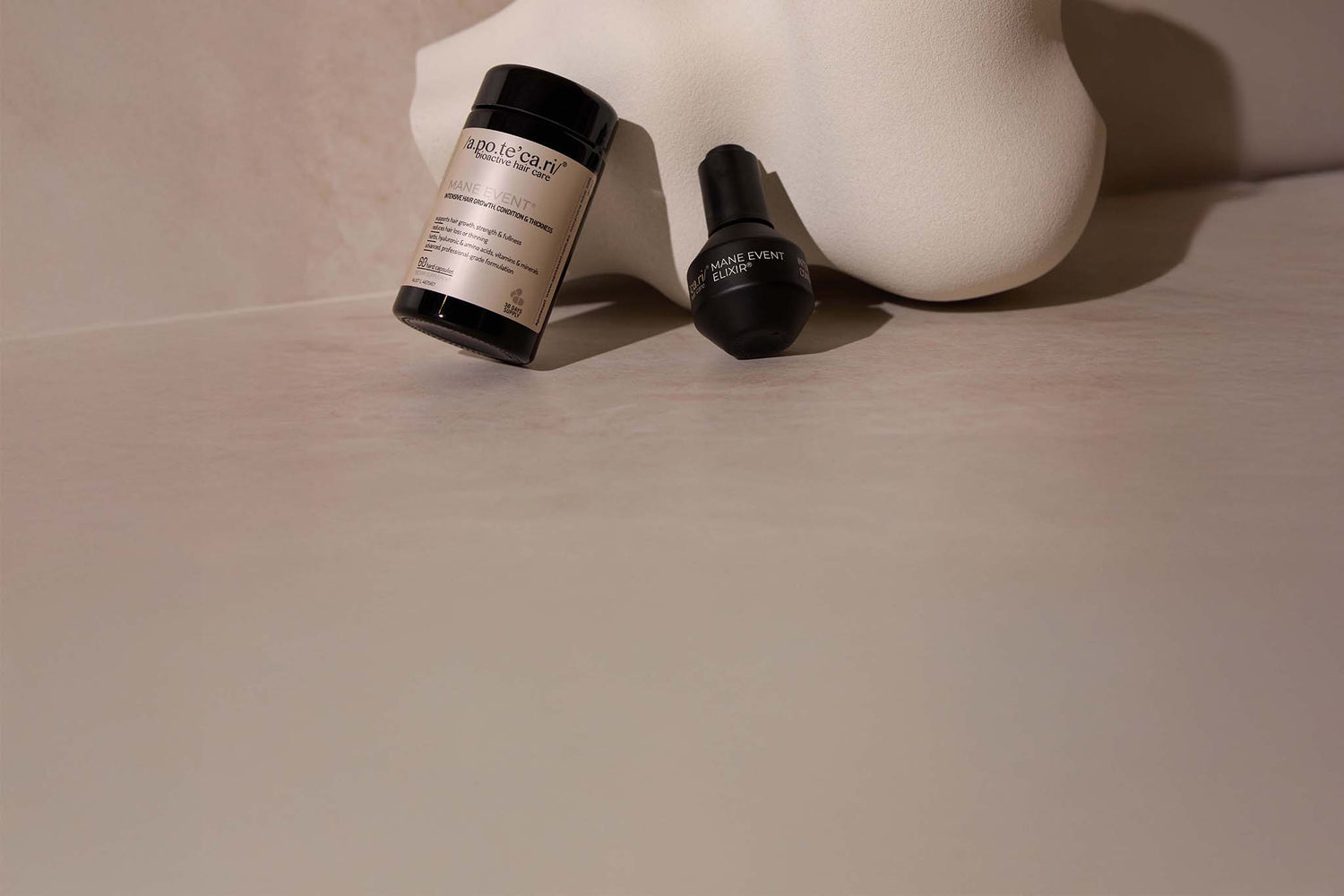
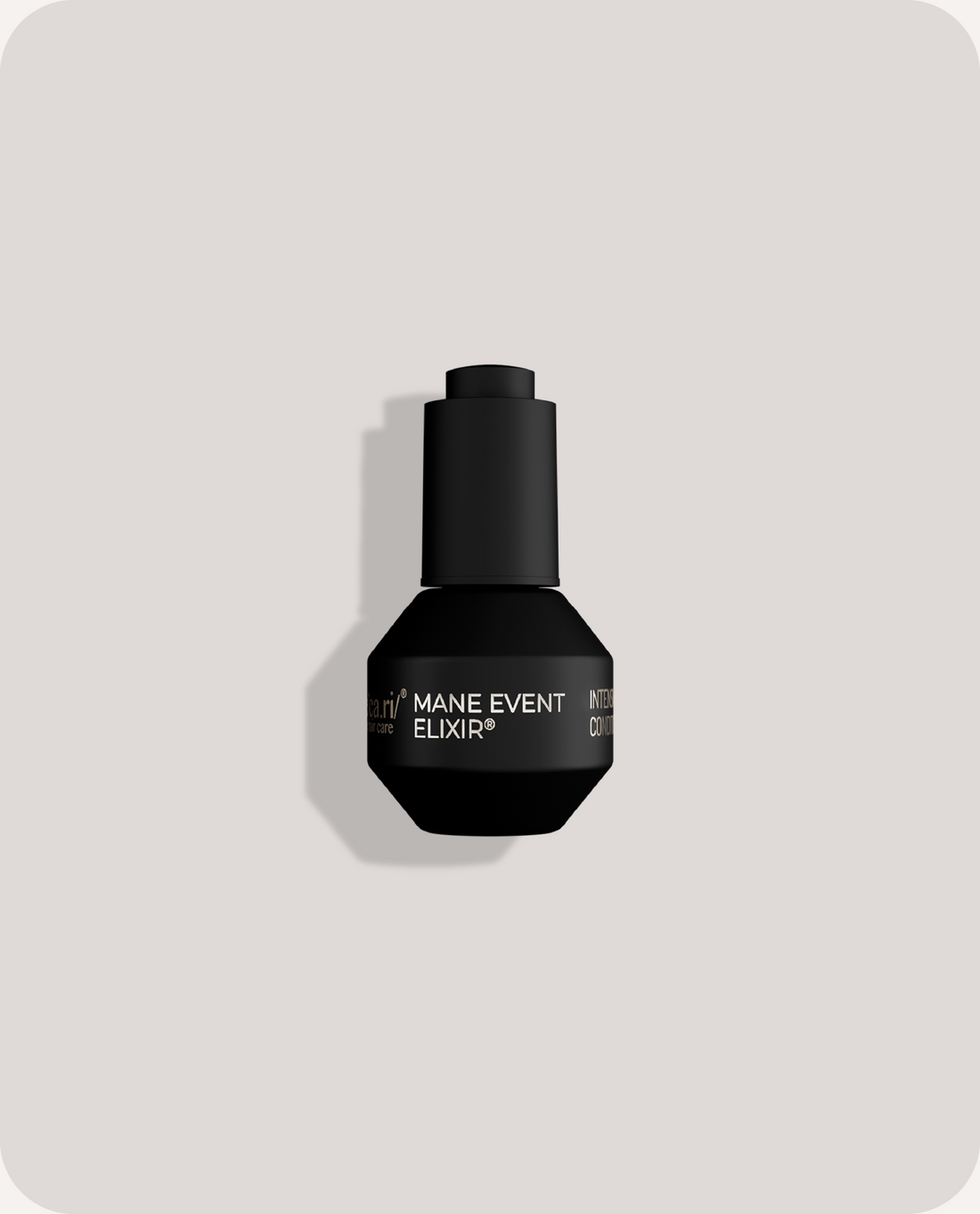
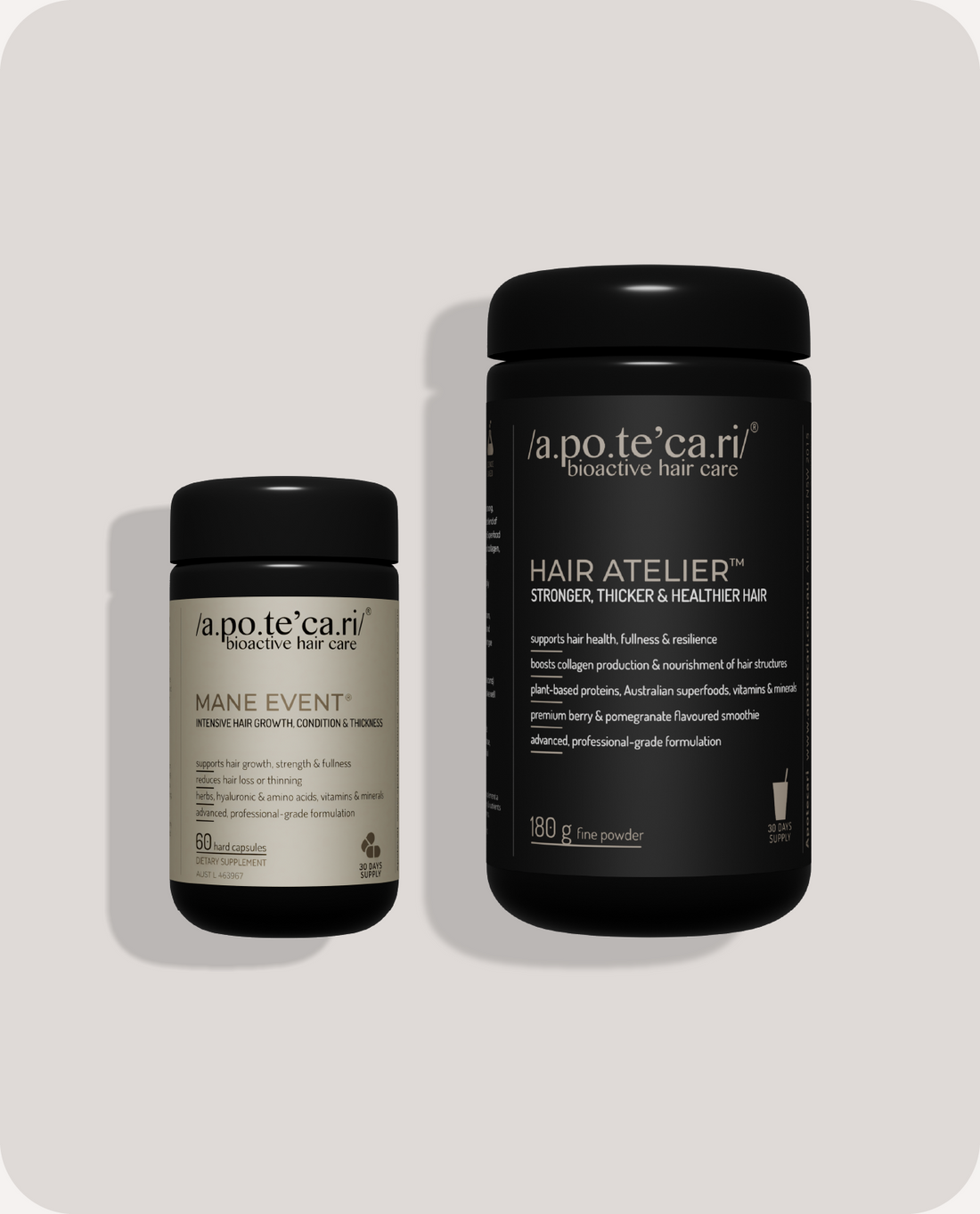
Our best-selling Mane Event® supplement nourishes the follicle from within with 17 targeted nutrients, while Mane Event Elixir® uses liposomal technology to activate growth deep in the follicle.  Together, they reduce hair loss, thinning and breakage with clinically proven ingredients for fuller, thicker, healthier hair from the inside out.

SHOP 15% OFF

Anti-Loss & Growth Solutions

View all
  • Mane Event®
    Mane Event®Mane Event®
    Mane Event®

    Intensive hair growth, condition & thickness.

    Regular price
    From $40.00 USD
    Regular price
    $86.00 USD
    Sale price
    From $40.00 USD

    4.86 / 5.0

    (96) 96 total reviews

    Choose options
    Preview
  • Mane Event Elixir®
    Mane Event Elixir®Mane Event Elixir®
    Mane Event Elixir®

    Intensive hair growth, condition & thickness.

    Regular price
    From $40.00 USD
    Regular price
    $122.00 USD
    Sale price
    From $40.00 USD
    Choose options
    Preview
  • Power Couple
    Power CouplePower Couple
    Power Couple

    Power intensive growth of stronger, thicker hair.

    Regular price
    From $97.00 USD
    Regular price
    $101.00 USD
    Sale price
    From $97.00 USD

    4.82 / 5.0

    (11) 11 total reviews

    Choose options
    Preview
  • A Perfect Pair
    A Perfect PairA Perfect Pair
    A Perfect Pair

    Perfected scalp health for intensive growth.

    Regular price
    From $76.00 USD
    Regular price
    $79.00 USD
    Sale price
    From $76.00 USD

    4.8 / 5.0

    (5) 5 total reviews

    Choose options
    Preview

Hear it from her.

So impressed!

My hair was shedding like crazy earlier this year, due to a few reasons like stress and low iron. Along with settling my nervous system, these supplements have been AMAZING for my hair - I used to have a brush full of hair and hair all over the bathroom floor every day, and now there's hardly any there! Thanks for the great product :-)

Meghan | Mane Event®

I could not believe the results!

I purchased your crowning glory capsules from my hairdresser and I could not believe the results! My itchy flaking scalp had vastly improved in less than a week and after using for about a month now I have so much new hair growth it is amazing.

Trudy | Crowning Glory®

Amazing product – results in four weeks!

An absolutely outstanding product, made with the highest quality ingredients from Australia. I noticed a difference in as little as four weeks. My hair which has always struggled to grow and has been so thin due to years of damage has finally come back to life, Not only does this product help with hair growth, it tastes amazing too...

Lauren | Hair Atelier®

I’ve been really impressed with this product.

My hair feels stronger, looks healthier, and I’ve noticed less breakage.

Natalie | Mane Event®

Decades of expertise, distilled into every bottle.

My story began in 2013, with a hair crisis that changed everything. A chemical reaction between two treatments caused my healthy, waist-length hair to melt and snap, leaving me with severe damage and a pixie cut I never asked for.

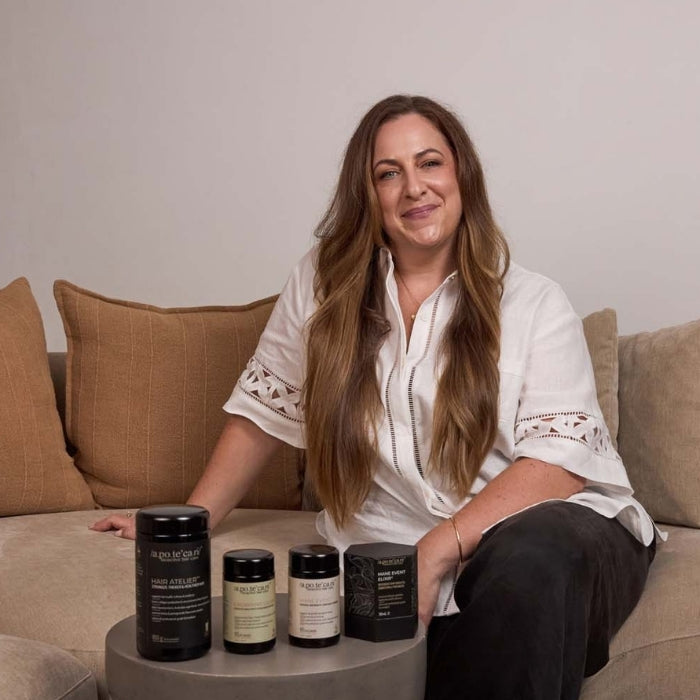
I was determined to rebuild my hair from the inside out. I drew on fifteen years as a naturopath, nutritionist and herbalist, and on the years I'd spent developing supplements for some of the world's leading health brands. This time, the focus was my own restoration. I went on to specialise in trichology to bridge clinical science and botanical medicine, and to understand the complex biology of the scalp.

What began as personal necessity became something bigger. I realised I wasn't alone in this frustration. So I set out to create the targeted, bioactive supplements I couldn't find on the shelf, formulations designed to give others the same visible results I'd achieved for myself.

This is why I built Apotecari.

Simone Abaron | Founder, Trichologist, Naturopath, Nutritionist & Herbalist

You're in good hands.

Created by our team of globally recognised trichologists, naturopaths, and nutritionists, the Apotecari collection is grounded in a deep understanding of women’s hair growth, hair loss, and scalp health. 

Advanced, science-led formulations manufactured in Australia to the highest quality standards. Each formulation works at a cellular level, either from within or topically at the root to intensively stimulate new growth, elevate scalp health, and significantly reduce breakage and hair loss.

Read on.

  •  

    A Trichologist's Guide to Perimenopause & Hair Loss

    Perimenopause can begin in your late 30s, and for many women, hair changes are among the firstvisiblesigns. In a recent conversation with celebrity stylist, and international colour educator Monique McMahon, Apotecari founder, trichologist, naturopath and nutritionist, Simone Abaron explores the internal biology and external reality of perimenopausal hair loss. What genuinely helps, and why blood tests and reviewing those results with your GP can be a good place to start.  


    READ NOW >
  •  

    The Science Behind Hair Growth

    If you are searching for a way to achieve thicker, fuller hair, you have probably seen plenty of promises of instant growth. The truth is that real, visible transformation takes time, around 90 days.

    Hair growth is a biological process that cannot be rushed. When you understand how your hair grows and why it needs consistent nutritional support, the 90-day journey makes perfect sense.


    READ NOW >
  • Male hair loss stress
     

    Navigating the Medical Impact on Your Crowning Glory

    Concerned about hair shedding from medication, rapid weight loss or surgery? Learn how medications such as GLP 1 therapies can affect the hair cycle and the practical steps to support regrowth.


    READ NOW >

References.

  1. Redler S, et al. Genetics and other factors in the aetiology of female pattern hair loss. Exp Dermatol, 26(6), 2017.
  2. Almohanna HM, et al. The Role of Vitamins and Minerals in Hair Loss: A Review. Dermatol Ther (Heidelb). 2019 Mar;9(1) 
  3. Piccini I, et al, Intermediate Hair Follicles from Patients with Female Pattern Hair Loss Are Associated with Nutrient Insufficiency and a Quiescent Metabolic Phenotype, Nutrients, 14(16) 2022.
  4. Gizlenti, S et al.  The changes in the hair cycle during gestation and the post-partum period,  J Eur Acad Dermatol Venereol, 28(7), 2014.
  5. Hussein RS, et al. Impact of Thyroid Dysfunction on Hair Disorders, Cureus, 15(8), 2023. 
  6. Ginny Oong Chien Yin et al. Telogen Effluvium – a review of the science and current obstacles, Journal of Dermatological Science, Volume 101 (3), 2021.
  7. Alsuwailem OA, et al. Hair Loss Associated With Glucagon-Like Peptide-1 (GLP-1) Receptor Agonist Use: A Systematic Review. Cureus. Sep 16;17(9), 2025.
  8. Grixti L, Lane LC, Pearce SH. The genetics of Graves' disease. Rev Endocr Metab Disord, 25(1), 2024. DOI 10.1007/s11154-023-09848-8.
  9. Lee SY, Pearce EN. Hyperthyroidism: a review. JAMA, 330(15), 2023.
Invalid password
Enter

Shop

  • Shop the Collection
  • Most Loved
  • Value Bundles
  • Subscribe
  • Gifting

DISCOVER

  • About Us
  • Blog
  • Privacy Policy
  • Site Terms of Use
  • Promotion Terms & Conditions

Quick links

  • My Account
  • FAQs
  • Contact
  • Find a Stockist
  • Wholesale

LET'S GROW TOGETHER

  • Facebook
  • Pinterest
  • Instagram
  • TikTok
  • LinkedIn
  • YouTube
  • Let's grow together.
© 2026, Apotecari Bioactive Hair Care. All rights reserved.
Payment methods
  • American Express
  • Apple Pay
  • Bancontact
  • Google Pay
  • iDEAL Wero
  • Mastercard
  • PayPal
  • Shop Pay
  • Union Pay
  • Visa
  • Choosing a selection results in a full page refresh.
  •  
  •  
★ Reviews

Let customers speak for us

192 reviews
Write a review
81%
(156)
18%
(35)
0%
(0)
0%
(0)
1%
(1)
S
Mane Event®
Sheree

Too early to tell at this stage but will update my review after 90 days.

D
Mane Event®
Deborah

Not sure yet only taken a months worth need yo give it mire time

Load More